

If you have recently received a platelet-rich plasma (PRP) injection or are preparing for one, you may have been told to avoid caffeine for a period of time afterward. This instruction often surprises patients. Coffee is a daily ritual for most people, and the connection between a cup of morning coffee and an orthopedic injection may not seem obvious at first glance. But there are reasons why no caffeine after PRP is a guideline worth taking seriously. Understanding these potential effects can help you make informed choices that support the healing process after treatment.
Key Takeaways
- PRP therapy uses your own concentrated platelets and growth factors to encourage tissue healing.
- Caffeine may interfere with platelet function, blood flow, and inflammation, potentially reducing PRP effectiveness.
- Staying well-hydrated and following your specialist’s specific instructions can support better recovery outcomes.
What Is PRP and How Does It Work?
Platelet-rich plasma (PRP) is derived from a patient’s own blood. A small sample is drawn, then processed in a centrifuge that separates the platelets from other blood components. The result is a concentrated plasma solution rich in platelets and the growth factors they carry. That concentrated solution is then injected into the injured or affected area, most commonly a tendon, ligament, or joint, under imaging guidance to ensure accuracy.
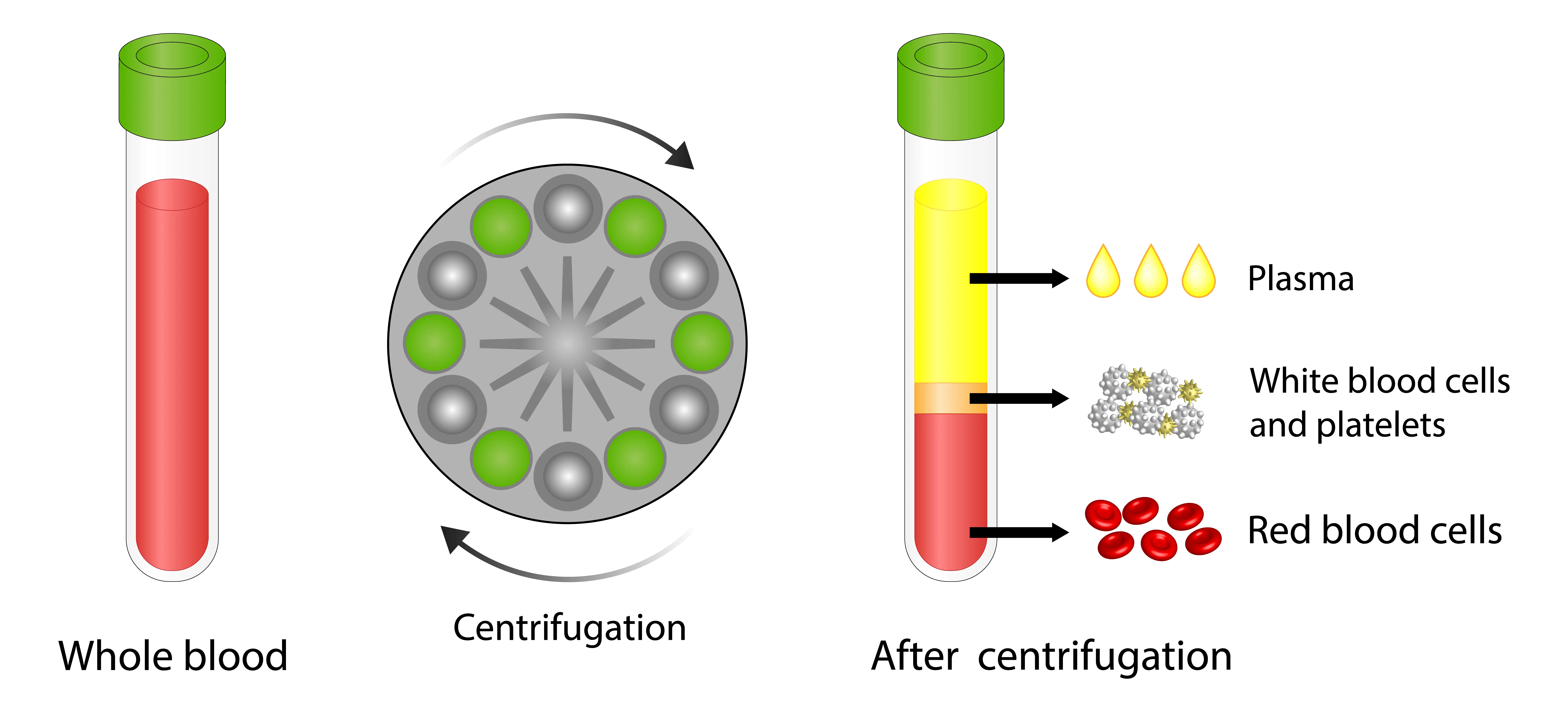
Platelets are best known for their role in clotting, but their function goes well beyond stopping bleeding. They also release a variety of growth factors and signaling proteins that coordinate the body’s repair response. When delivered in concentrated form to an injured area, these growth factors may help stimulate cell signaling involved in tissue repair, encourage the formation of new blood vessels, and support the body’s natural healing response.
PRP therapy may be considered for conditions including rotator cuff tendon injuries, tendonitis, early arthritis, ligament sprains, and muscle strains. The therapy seems to work most effectively when the biological environment around the injection site is as favorable as possible, which is exactly where post-procedure care comes in.
What Caffeine Does Inside Your Body
Caffeine is one of the most widely consumed substances in the world. Most people associate it with alertness and energy, but its effects on the body extend well beyond the brain. To understand why no caffeine after PRP is a recommendation, it helps to look at what caffeine does at a physiological level.
Caffeine works primarily by blocking adenosine receptors in the brain. Adenosine is a neurotransmitter that promotes relaxation and drowsiness, so blocking it produces stimulant effects. Caffeine can have vasoconstrictive effects in certain tissues, meaning it may cause some blood vessels to narrow. Each of these actions has potential implications for how well PRP can do its job after injection.
Caffeine can have a mild diuretic effect, particularly in people who are not regular caffeine users. Since blood plasma, the medium that carries platelets, is primarily water, even mild dehydration may affect circulation and the delivery of healing compounds to tissues. This is part of why staying hydrated is such a consistent recommendation alongside the advice to avoid caffeine after PRP.
Why Caffeine May Interfere with PRP Healing
There are several distinct mechanisms through which caffeine may undermine the effectiveness of a PRP injection.
Platelet Function and Aggregation
PRP works in large part because of what platelets do when they are activated at the treatment site. They degranulate, releasing their stored growth factors, and begin coordinating the healing cascade. Caffeine has been shown in research to affect platelet aggregation and activation, though the exact degree of this effect can vary by individual. Some evidence suggests that caffeine may reduce the ability of platelets to aggregate properly, which could interfere with the treatment’s intended mechanism.
Vasoconstriction and Blood Flow
One of PRP’s benefits is the way it encourages the formation of new blood vessels in injured tissue, a process called angiogenesis. Improved blood flow brings oxygen and nutrients to healing cells. Caffeine can act as a vasoconstrictor in certain parts of the body, and some doctors suggest that limiting it after PRP may help maintain optimal circulation during early healing. Less blood flow to a recently injected site could potentially reduce the healing signals that PRP is designed to amplify.
Cortisol and the Inflammatory Response
Caffeine can temporarily increase cortisol levels in some individuals. While cortisol serves important functions in small amounts, elevated cortisol levels may influence immune signaling and inflammation, which are processes involved in tissue healing. This may seem counterintuitive, as inflammation is often thought of as something to reduce, but a controlled, short-term inflammatory response is part of how PRP initiates tissue repair.
These three mechanisms together form the core argument for why no caffeine after PRP is considered a sensible precaution by many regenerative medicine specialists.
How Long Should You Avoid Caffeine After PRP?
Recommendations can vary between providers based on clinical experience, the specific condition being treated, and individual patient factors. That said, many doctors suggest a caffeine-free period of at least 48 to 72 hours following a PRP injection, with some recommending up to one full week.
The reasoning behind this window has to do with the timeline of the initial healing response. In the first several days after a PRP injection, platelets release growth factors and begin signaling to the surrounding tissue. This is the period during which the biological environment around the injection site is most sensitive to interference. Avoiding caffeine during this window may help preserve the full activity of the platelets during this key phase.
After that initial period, the body transitions into the next stages of tissue repair, which involve cell proliferation and remodeling. Some specialists prefer patients to remain caffeine-light for a longer period, up to a week or two, to support this ongoing process.
Other Substances to Avoid After PRP
Caffeine is not the only thing that may interfere with PRP healing. Patients are typically advised to avoid several other substances and medications during the recovery period, for many of the same reasons:
- NSAIDs (non-steroidal anti-inflammatory drugs): Medications like ibuprofen and naproxen can directly suppress the inflammatory response that PRP needs to initiate healing.
- Alcohol: Alcohol can affect hydration, inflammation, and platelet function.
- Tobacco and nicotine: Nicotine is a potent vasoconstrictor that may reduce blood flow to the treatment area.
- Blood thinners: Depending on the medication and the reason it is prescribed, blood thinners may affect platelet activity. Always consult your doctor before making any changes to prescribed medications.
What You Can Do to Support Your PRP Results
Recovery from a PRP injection is not just about what you avoid. It is also about what you actively do to support healing. A few practical steps may help create the most favorable environment for your PRP therapy to work.
Hydration is an important factor in the immediate post-procedure period. Drinking adequate water supports blood volume, optimal platelet transport, and nutrient delivery to healing tissue. Maintaining adequate hydration after your injection may support normal circulation and recovery.
Gentle movement is often encouraged in the days after a PRP injection, though the specific level of activity will depend on the area treated. Your care team will advise on appropriate activity restrictions and when you may gradually return to more demanding exercise or sport. Avoiding high-impact or strenuous activities immediately after injection helps protect the treated area while healing begins.
Finally, getting adequate sleep is often undervalued. During sleep, the body releases growth hormone and performs much of its cellular repair work. Prioritizing quality rest in the days after a PRP injection may support more efficient recovery.
Summary
Like any treatment, platelet-rich plasma therapy works best when the conditions around it are optimized. Understanding why no caffeine after PRP is recommended is not just about following rules; it is about appreciating how your daily habits can either support or interfere with a complex healing process.
Caffeine may influence platelet activity, restrict blood flow through vasoconstriction, and elevate cortisol in ways that could diminish the effectiveness of a PRP injection. Avoiding caffeine during the early healing window is a low-effort step that may make a meaningful difference. The same logic applies to alcohol, NSAIDs, and nicotine, each of which carries its own potential to disrupt the mechanisms PRP relies on.
Frequently Asked Questions
How long should I avoid caffeine after a PRP injection?
Most doctors recommend avoiding caffeine for at least 48 to 72 hours after a PRP injection. Some suggest extending this to a full week, particularly for patients who drink large amounts of caffeine daily. Your team will provide personalized guidance based on your specific situation and the area being treated.
What happens if I accidentally drink coffee after PRP?
One cup of coffee is unlikely to completely negate your PRP treatment. However, it may have some effect on platelet activity and blood flow in the treated area. If you accidentally consume caffeine, there is no need to panic. Simply resume the recommended restrictions going forward and let your provider know at your follow-up appointment if you have any concerns.
How soon will I notice results from PRP?
PRP results generally develop gradually, rather than immediately. Many patients begin to notice improvement within four to six weeks, with continued progress over three to six months as tissue repair progresses. The timeline can vary depending on the condition being treated, the patient’s overall health, and how closely post-procedure guidelines are followed.