


Shoulder replacement surgery is a procedure to replace damaged parts of the shoulder joint with artificial components. This surgery aims to relieve pain and restore shoulder mobility, most often recommended to patients with severe arthritis or injuries. In this post, we’ll cover the types of shoulder replacements, the conditions they can treat, how to prepare, and what recovery may look like.
Key Takeaways
- Shoulder replacement surgery aims to alleviate pain and restore mobility by replacing damaged joint components with artificial implants.
- There are two main types of procedures: total shoulder replacement, which replaces both the ball and socket, and reverse shoulder replacement, which alters the joint’s alignment.
- A structured rehabilitation plan with pain management and physical therapy is often an important part of recovery.
Understanding Shoulder Replacement Surgery
Shoulder replacement surgery is also referred to as shoulder arthroplasty. It consists of removing damaged parts of the shoulder joint and replacing them with artificial components. The primary goal of this surgery is to reduce pain and improve function, making everyday tasks easier to perform.
Severe damage to the shoulder joint can cause pain, weakness, and stiffness, all of which affect quality of life. The implants used in surgery are usually made of metal and plastic and come in different shapes and sizes to suit patient needs.
An experienced shoulder specialist can provide detailed information about shoulder replacement surgery and help guide whether it’s the right option for you.
Types of Shoulder Replacement Procedures
There are two primary types of shoulder replacement procedures: total shoulder replacement and reverse shoulder replacement. Each type is designed to address specific shoulder conditions and patient needs. Choosing between these procedures depends on factors such as the patient’s age, activity level, and the severity and type of shoulder condition.
Total shoulder replacement replaces both the ball (humeral head) and the socket (glenoid) with artificial components. This setup is designed to replicate normal shoulder anatomy. It may be recommended for patients with severe shoulder arthritis or significant joint damage.
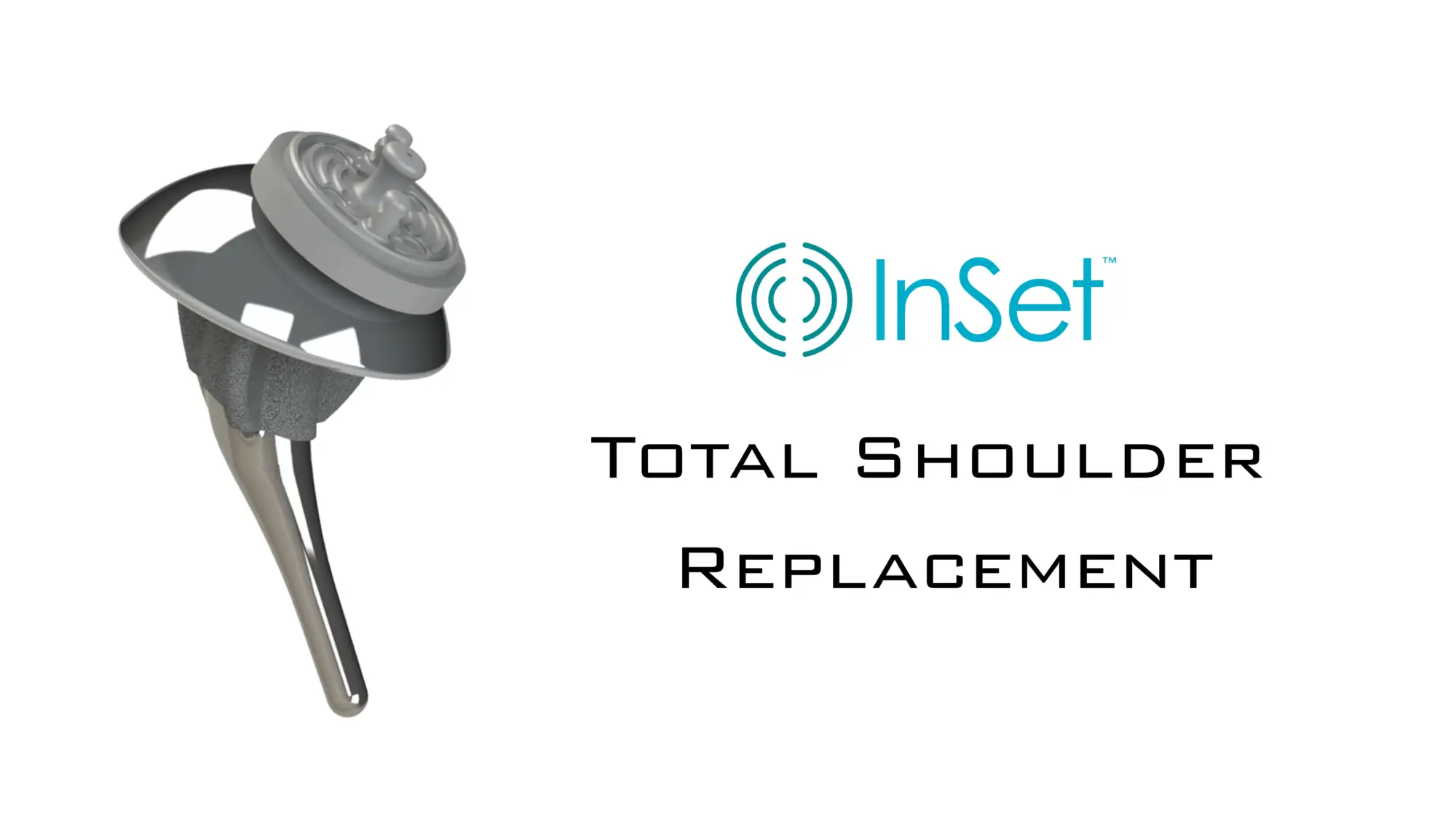
Reverse shoulder replacement surgery can be particularly beneficial for patients with irreparable rotator cuff damage. In this procedure, the positions of the ball and socket are reversed: the ball implant is attached to the shoulder blade, while the socket is attached to the upper arm bone. This reversal allows other muscles, particularly the deltoid, to help take over the function of the damaged rotator cuff.

Conditions Treated by Shoulder Replacement Surgery
Shoulder replacement surgery may become a treatment option for many conditions, including the following:
- Shoulder arthritis
- Fractures that lead to joint damage
- Rotator cuff injuries
It is most often considered when the patient is experiencing pain and loss of function, especially when nonsurgical options have failed to provide adequate relief.
Diagnosing the Need for Shoulder Replacement
Diagnosis typically begins with a physical examination and imaging tests. During the physical exam, your doctor may test for symptoms, range of motion, and pain. Imaging tests, such as magnetic resonance imaging (MRI), can be important for identifying soft tissue injuries like rotator cuff tears. X-rays can help detect bony abnormalities.
A comprehensive diagnostic process enables your doctor to confirm the underlying condition and guide the decision about whether replacement surgery may be recommended.
Preparing for Shoulder Replacement Surgery
Proper preparation ahead of shoulder replacement surgery is essential for both safety and recovery. Many patients can typically leave the hospital on the same day as their surgery, but in some cases, patients may be asked to stay overnight.
Patients should follow their surgeon’s instructions regarding bathing, eating, and taking medications before and on the day of surgery. A physical therapist may also introduce exercises and explain sling use ahead of the surgery.
Organizing home and work life before surgery can aid in recovery. Additionally, preparing loose-fitting clothing and easy-to-wear footwear can enhance comfort during the recovery period.
The Surgical Procedure
The shoulder replacement surgery generally takes about 1 to 2 hours. General anesthesia and a nerve block are commonly used during the surgery to ensure the patient is comfortable and pain-free.
The procedure begins with the surgeon making an incision to access the shoulder joint. From there, the damaged bone and cartilage are removed, and the new artificial joint components are inserted. After ensuring the new joint is functioning correctly, the incision is closed and the patient is moved to the recovery room.
Post-Surgery Recovery and Rehabilitation
Many patients who undergo shoulder replacement surgery experience pain reduction and improvements in function and mobility. Recovery times can vary among patients, generally taking from several months to a year. Guided recovery and rehabilitation are often essential for the success of shoulder replacement surgery.
Immediate Post-Surgery Care
Patients usually spend a brief period in the recovery room immediately after the surgery. This recovery area allows for monitoring and initial care. The shoulder is usually placed in a sling or immobilizer.
Managing pain is a key focus immediately after surgery. Your surgeon may prescribe medications or recommend nonsteroidal anti-inflammatory drugs (NSAIDs) to help with pain management. During this stage, having a support system at home can be especially helpful to support in everyday tasks.
Physical Therapy
Physical therapy is important for regaining strength and motion in the shoulder after surgery. Therapy generally starts with gentle movements to prevent stiffness. Over time, guided exercises progress to active movements to improve range of motion. Strengthening exercises may also be incorporated into the routine to help restore function.
Consistency is key. A physical therapist can guide the patient through the process, ensuring that exercises are performed correctly and safely for smooth movement.
Summary
Shoulder replacement surgery offers a promising solution for individuals suffering from severe shoulder pain and limited mobility. By understanding the different types of procedures, the conditions treated, and the recovery process, patients can make informed decisions about their health. With appropriate preparation and rehabilitation, many patients can achieve better shoulder function and a reduction in pain.
Frequently Asked Questions
What is the role of physical therapy after shoulder replacement surgery?
Physical therapy is often key to restoring strength and range of motion following shoulder replacement surgery. It can help facilitate recovery and improve overall function.
What are the benefits of total shoulder replacement surgery?
Total shoulder replacement surgery may offer benefits such as pain relief, enhanced shoulder motion, and the ability to return to many daily activities.
What conditions can shoulder replacement surgery treat?
Shoulder replacement surgery may be recommended to patients with conditions such as severe arthritis, rotator cuff injuries, and shoulder fractures.
How is the need for shoulder replacement surgery diagnosed?
Diagnosis typically involves a physical examination along with imaging tests such as an MRI to assess soft tissue injuries and joint health.
What is the difference between total shoulder replacement and reverse shoulder replacement?
Total replacement uses an artificial ball on the humerus and a socket that fits into the shoulder blade, mimicking natural human anatomy. Reverse replacement switches their positions, which allows the deltoid to assist with shoulder function when the rotator cuff is damaged.