

Experiencing a sharp, aching, or persistent discomfort on the top of your shoulder can be more than just a minor annoyance; it can impact your daily life, limiting your ability to work, exercise, and even perform simple tasks. This sensation, often described as “pain on top of shoulder bone,” is a common complaint among patients seeking orthopedic care. In this post, we’ll explore the potential causes and treatment options for pain on top of the shoulder bone.
Key Takeaways
- Pain on top of the shoulder bone is a frequent symptom that can stem from several conditions, most commonly related to the acromioclavicular (AC) joint.
- Common causes include AC joint arthritis, distal clavicle osteolysis, shoulder impingement syndrome, and traumatic injuries like AC separations.
- A wide range of treatment options is available, including conservative measures such as rest, ice, anti-inflammatory medications, and physical therapy. For persistent pain or more severe injuries, treatments may include injections or surgical procedures.
A Closer Look at Shoulder Anatomy
To understand why you might feel pain on top of your shoulder bone, it helps to have a basic understanding of the shoulder’s complex anatomy. The shoulder is the body’s most mobile joint, made up of bones, joints, ligaments, and muscles working in concert to allow a remarkable range of motion.
The primary bones of the shoulder are the humerus (the upper arm bone), the scapula (the shoulder blade), and the clavicle (the collarbone). The sensation of pain on top of the shoulder most frequently originates from the acromioclavicular (AC) joint. This is the junction where the acromion, which is the highest point of the scapula, connects with the distal (outer) end of the clavicle. Unlike the main ball-and-socket joint of the shoulder (the glenohumeral joint), the AC joint has limited movement. However, it plays a key role in shoulder stability and function, acting as a pivot point and helping to transmit forces from the arm to the rest of the body.
What Causes Pain on Top of the Shoulder Bone?
Several conditions can lead to pain localized to the top of the shoulder. An experienced shoulder specialist can evaluate the condition, inform the diagnosis, and help guide the most appropriate treatment plan. In the following subsections, we’ll explore some of the most common causes of pain on top of the shoulder bone.
Acromioclavicular (AC) Joint Arthritis
The AC joint is covered with smooth articular cartilage that allows the bones to move smoothly against each other. Over time, this cartilage can wear down, a degenerative process known as osteoarthritis. As the cartilage deteriorates, the bones may begin to rub against each other, leading to inflammation, the formation of bone spurs (osteophytes), and pain.
AC joint arthritis is a very common cause of pain on top of the shoulder bone, particularly in middle-aged and older individuals. The pain is often described as a dull ache that can become sharp with certain movements, such as reaching across your body (cross-body adduction) or lifting heavy objects. You might also notice a bump or swelling over the joint and experience tenderness when the area is touched.
Distal Clavicle Osteolysis
This condition is a specific type of inflammatory arthritis of the AC joint that is not typically related to age-related degeneration. Instead, distal clavicle osteolysis is most often an overuse injury caused by repetitive microtrauma to the end of the collarbone. It is frequently seen in weightlifters and bodybuilders, particularly those who perform exercises like the bench press or military press, which place stress on the AC joint.
The repetitive stress can lead to a series of microfractures on the end of the clavicle. The body’s attempt to heal these microfractures may result in the breakdown and resorption of bone, causing significant pain, swelling, and tenderness directly over the AC joint. The pain is usually activity-related and worsens with lifting or pushing movements.
Shoulder Impingement Syndrome
Shoulder impingement is another frequent source of shoulder pain, and though the pain is often felt more on the side of the shoulder, it can also present as pain on top. Impingement occurs when the space (the subacromial space) between the acromion and the rotator cuff tendons narrows. When you lift your arm, the acromion can rub against, or “impinge” on, the rotator cuff tendons and the bursa (a fluid-filled sac that provides cushioning).
This rubbing can lead to inflammation of the bursa (bursitis) and the tendons (tendinitis), causing pain. While the primary issue is with the tendons and bursa beneath the acromion, the inflammation and the presence of bone spurs on the underside of the acromion can contribute to a sensation of pain on top of the shoulder bone.
Traumatic AC Joint Injuries
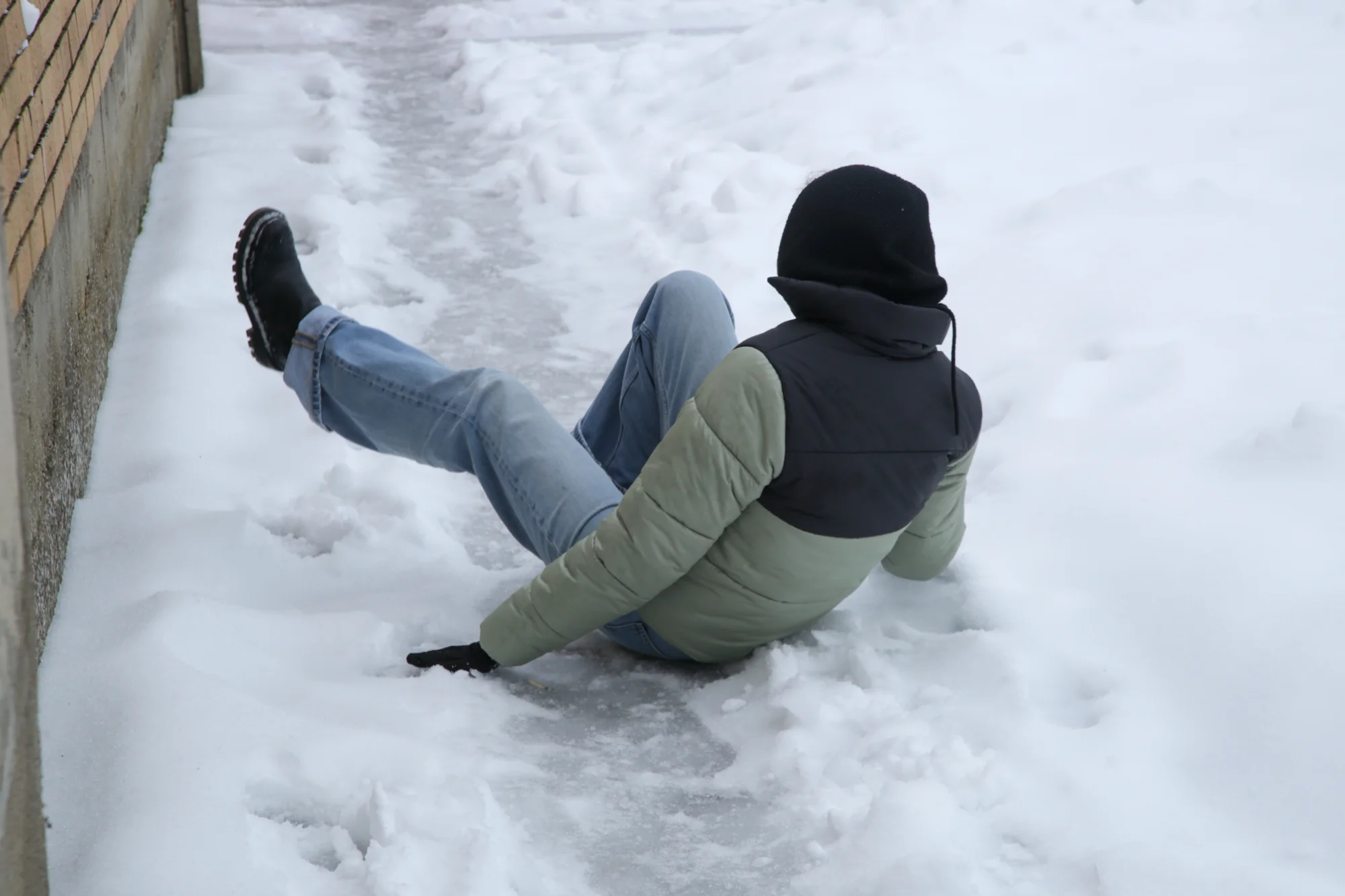
A direct blow to the shoulder, such as from a fall onto the shoulder or a direct hit in a contact sport like football or hockey, can injure the ligaments that stabilize the AC joint. This injury is commonly known as a “shoulder separation.” It is different from a shoulder dislocation, which involves the main ball-and-socket joint.
AC separations are generally graded based on their severity.
- Grade 1: A mild sprain where the AC ligament is stretched or partially torn, but the joint remains stable. There may be tenderness and mild pain but no visible deformity.
- Grade 2: The AC ligament is completely torn, and the coracoclavicular (CC) ligaments are stretched or partially torn. This can result in a slight misalignment of the joint, which may appear as a small bump on the shoulder.
- Grade 3: Both the AC and CC ligaments are completely torn, generally causing an obvious deformity where the clavicle is displaced upward.
- Grade 4: Both the AC and CC ligaments are completely torn, lateral clavicle displaced posterior through the trapezius muscle.
- Grade 5: Both the AC and CC ligaments are completely torn, generally causing an obvious deformity where the clavicle is severely displaced upward.
- Grade 6: Rare, both the AC and CC ligaments are completely torn, and it is locked below the coracoid and causes paresthesias.
Diagnosing the Source of the Pain
An accurate diagnosis is an important step toward effective treatment. The diagnostic process typically begins with a thorough medical history, where your doctor asks detailed questions about your symptoms, including when the pain started, what makes it better or worse, the nature of the pain (sharp, dull, aching), and any history of injury or repetitive activities. Following this, your doctor may perform a comprehensive physical examination. This involves inspecting the shoulder for any swelling, deformity, or muscle atrophy, and palpating the AC joint to check for tenderness.
To confirm the diagnosis and get a more detailed look at the joint, your doctor may order imaging studies. X-rays can visualize bones, helping to show signs of AC joint arthritis such as joint space narrowing, bone spurs, or bone cysts. In some cases, magnetic resonance imaging (MRI)may be used to provide detailed images of the soft tissues, including cartilage, ligaments, and tendons.
A Spectrum of Treatment Options
Once a diagnosis is established, your shoulder specialist will work with you to develop a personalized treatment plan. The goal is to reduce pain, restore function, and allow you to return to your desired activities. Treatment often begins with conservative, non-surgical approaches.
Non-Surgical Treatments
The first step is frequently activity modification, which means resting the shoulder and avoiding the specific activities that cause pain. This may be combined with ice and heatapplication; applying ice packs to the top of the shoulder for 15-20 minutes several times a day can help reduce inflammation, while moist heat can help relax sore muscles around the joint.
Medications also play a key role, with over-the-counter nonsteroidal anti-inflammatory drugs (NSAIDs) helping to reduce both pain and inflammation. In some cases, your doctor may recommend corticosteroid injections. Cortisone is a powerful anti-inflammatory medication injected directly into the AC joint, which can provide significant, yet short-term pain relief.
Finally, physical therapy is often a key part of recovery, with a program designed to restore motion, strengthen the muscles of the shoulder and upper back, and improve posture.
Surgical Treatments
If non-surgical treatments fail to provide adequate relief after several months, or in the case of a severe, high-grade AC joint separation, surgery may be considered. These most commonly are for Grade V injuries but sometimes in Grade III injuries in very active people such as laborers or athletes. The specific procedure depends on the underlying problem.
For patients with persistent acromioclavicular (AC) joint pain that does not improve with non-surgical treatments, arthroscopic surgery is a common option. During arthroscopy, the surgeon uses a small camera and specialized instruments inserted through tiny incisions to access and treat the joint. Depending on the underlying problem, the procedure may involve smoothing bone surfaces, removing damaged tissue, or excising a small portion of the distal clavicle to help relieve pain and restore motion.
In cases of more severe or unstable AC joint injuries, a reconstructive procedure may be recommended. AC joint reconstruction aims to restore joint stability by rebuilding the torn coracoclavicular ligaments. Surgeons typically use strong sutures or tendon grafts to recreate the connection between the clavicle and the coracoid process.
Recovery from surgery varies depending on the procedure performed. After an arthroscopic procedure, patients are often in a sling for a short period for comfort, but gentle motion is encouraged early on to prevent stiffness. A return to full activities can take a few months. Recovery from an AC joint reconstruction is typically more involved, requiring a period of immobilization in a sling to protect the repair, followed by a structured physical therapy program to gradually restore motion and strength over several months.
Summary
Oftentimes, pain on top of the shoulder bone is a treatable condition. The key to a successful outcome is a prompt and accurate diagnosis from a qualified orthopedic specialist. Many patients find relief through non-surgical treatments like rest, anti-inflammatory medications, physical therapy, and targeted injections. When these measures fail, minimally invasive arthroscopic surgery may be used to address persistent AC joint pain, while more complex injuries may require reconstructive procedures to restore joint stability.
Frequently Asked Questions
Can bad posture cause pain on top of my shoulder?
Yes, poor posture can be a contributing factor to shoulder pain, including pain on top of the shoulder. When you slouch, it may alter the mechanics of your shoulder blade and narrow the subacromial space. This can lead to or exacerbate shoulder impingement syndrome, which can cause pain on the top and side of the shoulder. Correcting posture through awareness and specific exercises is often part of a comprehensive treatment and prevention plan.
How do I know if my shoulder pain is serious enough to see a doctor?
Consider seeing a doctor if your shoulder pain is severe, was caused by a significant injury, or does not improve after a week or two of rest and self-care measures. Other red flags that warrant a prompt evaluation include a visible deformity or bump on the shoulder, an inability to lift your arm, or pain that is present even at rest or wakes you up at night.
Is it okay to exercise with pain on top of my shoulder bone?
It is generally not advisable to “push through” sharp or significant pain during exercise, as this can worsen the underlying condition. However, complete inactivity can lead to stiffness and weakness. The best approach is activity modification. A physical therapist can provide expert guidance on which exercises are safe and beneficial for your specific condition.