


Medically reviewed by Shariff K. Bishai, DO, MS | Reviewed July 2026
One of the most common questions I hear after a patient and I decide that shoulder replacement surgery is the right path forward is this: “What is this going to cost me?” It’s a fair question. Understanding shoulder replacement surgery cost up front helps you plan, reduces anxiety, and lets you focus on what matters most: your recovery. The honest answer is that the total cost varies widely depending on several factors, including your insurance coverage, the type of procedure, the surgical facility, and your individual situation. In this post, I’ll walk you through the main cost drivers so you can approach this with realistic expectations.
Key Takeaways
- Shoulder replacement surgery cost can vary significantly based on insurance coverage, procedure type, and facility.
- Most patients with standard insurance will pay deductibles and cost-sharing rather than the full procedure cost.
- Out-of-pocket expenses may also include pre-op testing, post-op physical therapy, and follow-up appointments.
- Private insurance, Medicare, and Medicaid each cover shoulder replacement differently, so knowing your specific plan before surgery reduces surprises.
When Might Shoulder Replacement Be Recommended?
Shoulder replacement is not typically the first step. Before I recommend surgery, I want to see that a patient has worked through conservative options (physical therapy, anti-inflammatory medications, and possibly injections) without adequate relief.
The most common diagnosis I see leading to shoulder replacement is shoulder arthritis, either osteoarthritis from long-term wear, or inflammatory arthritis like rheumatoid arthritis. Some patients also arrive after a major rotator cuff tear that went untreated long enough to cause joint damage. The specific diagnosis, and the condition of the rotator cuff, determines which type of replacement is most appropriate.
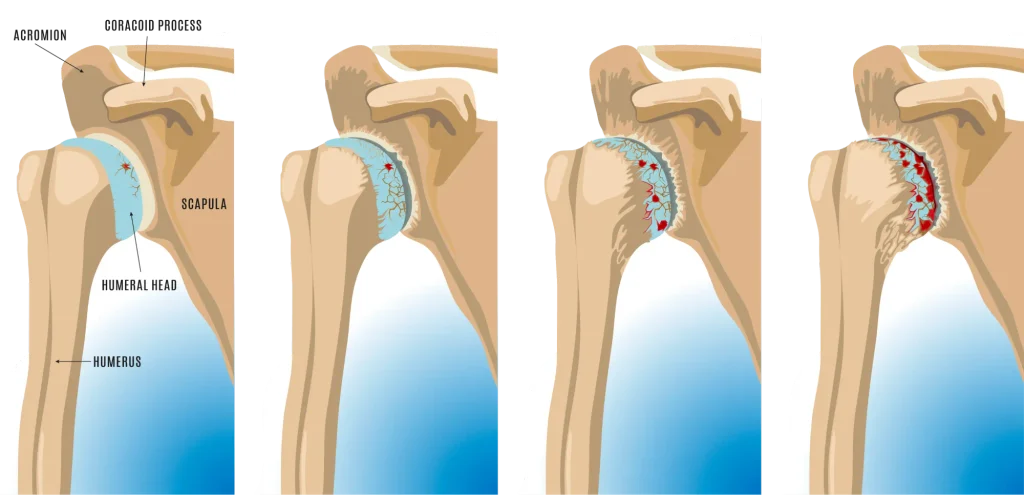
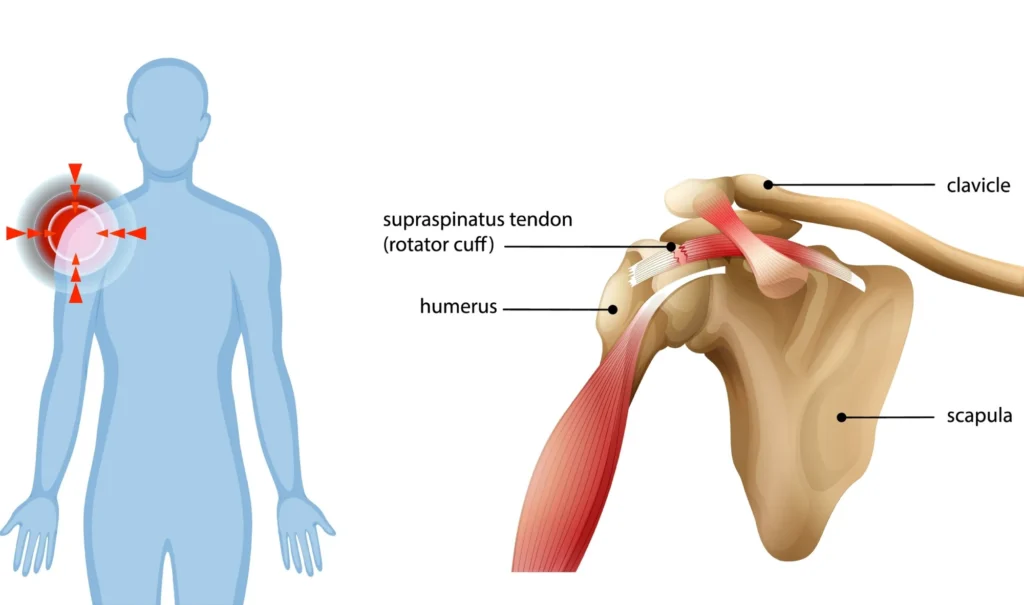
Patients often ask me how they will know if they are a candidate. The clearest signal is usually this: pain is limiting things you used to take for granted, and it is not improving despite doing everything right conservatively. If that describes where you are, it is worth coming in for an evaluation.
What Drives the Cost of Shoulder Replacement Surgery?
Shoulder replacement surgery isn’t a single, fixed-price procedure. Several components make up the total cost, and they can vary based on your location, your surgeon, the type of implant used, and where the surgery takes place.
The main cost components most patients encounter include:
- Facility fees (hospital or outpatient surgery center)
- Anesthesia fees
- Surgeon fees
- The implant itself
- Pre-operative imaging and lab work
- Post-operative physical therapy
- Follow-up clinic visits
Total vs. Reverse Shoulder Replacement: Does the Type Affect Cost?
I perform both total shoulder replacement and reverse shoulder replacement, and the type of surgery you need does have an effect on cost, primarily through the implant used. Reverse shoulder systems tend to be more complex in design, which can affect implant pricing. That said, both procedures use modern implant technology, and for most patients the implant cost difference is absorbed within the overall billing rather than charged separately.
Total shoulder replacement is generally more appropriate when the rotator cuff is intact and arthritis has damaged the joint surfaces. Reverse shoulder replacement is designed for patients with significant rotator cuff damage in addition to arthritis. It repositions the ball and socket so the deltoid muscle takes over arm movement, which can restore meaningful function even when the rotator cuff can no longer do that job.
The right procedure for you depends on your anatomy, your imaging, and your functional goals. Cost should not determine which surgery is safest and most appropriate for a patient.
What Happens on Surgery Day?
I commonly perform shoulder replacement as an outpatient procedure, meaning many patients go home the same day. Whether you stay overnight depends on your overall health, how your pain is managed after surgery, and the specific facility.
On the day of surgery, a nerve block is commonly used to numb the operated arm and keep early discomfort manageable. Most patients find the immediate post-surgery period more comfortable than they expected, largely because of how effective nerve blocks have become. Your care team monitors your pain levels and vital signs closely before you are discharged.
You will go home with a shoulder sling, which most patients wear for roughly four to six weeks to protect the joint during early healing. Gentle exercises typically begin the day after surgery, and formal physical therapy follows as your shoulder heals. Understanding this timeline matters for planning, including the financial side, which I will cover next.
How Insurance Typically Works for Shoulder Replacement
For most patients with private insurance or Medicare, shoulder replacement surgery is a covered procedure when it’s deemed medically necessary. That determination is made through documentation of your diagnosis, the conservative treatments you’ve tried, and how your condition affects your daily life.
After insurance processes your claim, your out-of-pocket costs generally include:
- Your annual deductible (if not yet met)
- A coinsurance or copay percentage
- Any services from out-of-network providers
One area patients sometimes overlook is the anesthesiologist. It’s worth confirming that your anesthesia provider is also in-network with your plan, as out-of-network anesthesia bills can add unexpected costs. My office team works with patients to help navigate these questions before surgery, and I encourage anyone with concerns to ask early in the process.
Pre-Authorization and Medical Necessity
Many private insurance plans require pre-authorization before shoulder replacement surgery. This means my office submits documentation (your diagnosis, imaging results, and a record of the conservative treatments you have tried) and the insurance company reviews whether the procedure meets their criteria for medical necessity. That said, pre-authorization is not a guarantee of full coverage. The final payment determination happens after surgery when the claim is actually processed.
If your claim is denied, you have the right to appeal. Many initial denials are overturned on appeal when the clinical documentation is thorough and complete. This is another reason it can help to work with a surgeon’s office experienced in navigating these processes. We know what insurers look for and how to present the case effectively.
Understanding Your Explanation of Benefits
After surgery, your insurance plan will send an Explanation of Benefits, commonly called an EOB. This document shows what was billed, what your insurance paid, and what you owe. The patient responsibility column is what matters for your wallet. If anything on your EOB looks incorrect, contact your plan’s member services line before paying any bill.
What About Medicaid?
Medicaid coverage for shoulder replacement varies by state and by the specific Medicaid plan. In Michigan, Medicaid may cover shoulder replacement when it is determined medically necessary, but the documentation requirements and prior authorization process may differ from private insurance. Patients on Medicaid should confirm that their surgeon and surgical facility accept their specific plan before scheduling.
One practical note for Medicaid patients: authorization timelines can sometimes run longer, and additional documentation may be required. Starting that process early tends to reduce delays down the road.
Recovery Costs People Forget to Budget For
The surgical bill tends to get the most attention, but several post-operative expenses can catch patients off guard if not planned for in advance.
- Physical therapy: Depending on your plan, PT visits may carry their own copay or count toward a separate therapy benefit cap. Ask your insurance specifically about physical therapy coverage.
- Follow-up appointments: You will have several post-operative office visits in the months after surgery. These are processed through your regular insurance benefits and count toward your deductible and out-of-pocket maximum.
- Time off work: If you work in a physically demanding role, you may need a longer recovery before returning to full duties. Understanding your short-term disability benefits or paid leave situation before surgery helps you plan ahead.
- Prescription medications: Post-operative pain management typically involves a short course of prescription medication. Most plans cover these, but your copay will depend on your pharmacy benefit tier.
What I See in My Patients
Here in the Detroit area, many of my patients come to me after years of managing shoulder arthritis with injections, therapy, and activity modifications. By the time surgery becomes the right conversation, they’ve already spent time and money on conservative care, and they want to understand what lies ahead financially.
I find that patients who have a clear understanding of their insurance benefits going into surgery experience less stress in the weeks afterward. The surprise bills that catch people off guard are almost always related to out-of-network services or post-op therapy costs that weren’t anticipated. My recommendation is always to call your insurance plan before scheduling surgery, ask specifically about your coverage for orthopedic joint replacement, and ask about any pre-authorization requirements.
My Approach to Surgical Planning and Cost Transparency
Before any patient proceeds to surgery in my practice, we walk through the full picture together. That means a thorough evaluation, a review of imaging, a conversation about what you’ve tried conservatively, and a discussion of what you can realistically expect from surgery in terms of pain relief and function.
On the financial side, my office works with patients to verify insurance coverage, obtain required pre-authorizations, and answer questions about expected costs. We want you walking into surgery with clarity, not uncertainty.
I also want to make clear that the value of shoulder replacement, when it’s the right procedure at the right time, extends well beyond the financial cost. Many of my patients who have lived with years of pain, disrupted sleep, and limited function have described shoulder replacement as transformative. Getting that back, including the ability to reach, sleep through the night, and return to activities you love, is something that’s hard to put a price on.
Summary
Understanding shoulder replacement surgery cost starts with recognizing that the total expense is made up of multiple components, including anesthesia, facility, surgeon, implant, therapy, and follow-up care. For most patients with insurance, the out-of-pocket portion will depend on your deductible and coinsurance structure, and surgery is typically covered when medically necessary. The most important step you can take right now is to call your insurance plan, understand your benefits, and then schedule a consultation so we can determine together whether shoulder replacement is the right next step for you.
Frequently Asked Questions
Is shoulder replacement surgery covered by Medicare?
Shoulder replacement surgery is generally covered by Medicare when it’s determined to be medically necessary. Patients are still responsible for their Part B deductible and coinsurance. It’s worth confirming that your surgeon and facility are Medicare-accepting providers before scheduling.
What happens if I need surgery but can’t afford the out-of-pocket costs?
Many facilities offer financial counseling services or payment plan options. Your insurance plan’s member services team can also help you understand your benefits and any financial assistance programs that may be available.
Does the type of implant affect how much I pay?
Implant costs are typically embedded in the facility or surgical billing and are usually processed through insurance the same way other surgical components are. In most cases, patients do not select or pay for implants separately. Your care team can address any questions about implant specifics during your consultation.