

Platelet-rich plasma, commonly known as PRP, has become one of the more widely discussed regenerative treatments in orthopedic medicine. Patients dealing with shoulder pain from rotator cuff injuries, tendonitis, or early arthritis may hear about PRP as a potential alternative to surgery. While the possible benefits of PRP therapy are encouraging, understanding platelet-rich plasma side effects is just as important before committing to any treatment plan. Being informed can help you make thoughtful decisions about your shoulder care and set realistic expectations for recovery.
Key Takeaways
- PRP therapy uses your own blood components, which generally reduces the likelihood of allergic reactions or rejection, though side effects can still occur.
- The most commonly reported platelet-rich plasma side effects tend to include temporary soreness, swelling, and stiffness at the injection site.
- An experienced shoulder specialist can help minimize the risk of side effects through proper technique, imaging guidance, and individualized treatment planning.
- Patients should discuss their full medical history, including medications and blood disorders, with their doctor before undergoing PRP treatment.
A Brief Overview of PRP Therapy
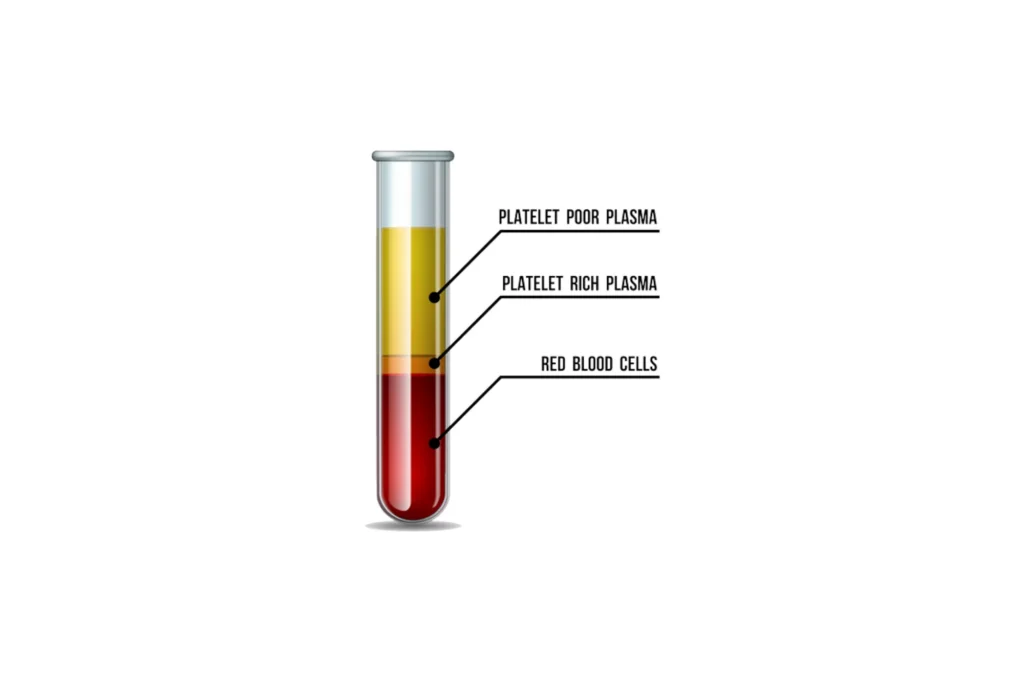
Before diving into the side effects, it helps to understand what PRP involves. PRP therapy is a form of regenerative medicine that concentrates platelets from your own blood. Your doctor draws a small blood sample and places it in a centrifuge. The centrifuge spins the blood at high speed, separating it into layers. The platelet-rich layer contains growth factors that may help support tissue repair and modulate inflammation.
Once prepared, the concentrated plasma is injected directly into the affected area of the shoulder. Your doctor may use ultrasound guidance to place the injection precisely at the site of injury. The entire process typically takes less than an hour. Because the treatment uses your own biological material, the risk of allergic reaction is low. However, PRP injections still carry risks similar to other injection-based procedures, including pain, swelling, and infection.
Common Platelet-Rich Plasma Side Effects in the Shoulder
Even though PRP is derived from your own blood, it is still an injection-based treatment. That means some degree of discomfort and reaction at the treatment site is expected. Most patients tolerate the procedure well, but here are the side effects that tend to come up most often.
Pain and Soreness at the Injection Site
After a PRP injection in the shoulder, many patients notice an increase in soreness or aching for the first few days. This discomfort can sometimes feel worse than the original pain, which understandably catches some people off guard. The soreness typically reflects the body’s inflammatory response to the concentrated growth factors. Most patients find that this temporary flare settles within three to seven days, though it can occasionally linger for a couple of weeks.
Swelling and Stiffness
Localized swelling around the injection site is another common reaction. Your shoulder may feel puffy, tight, or stiff for several days after the procedure. This tends to be mild to moderate in most cases. Applying ice and resting the shoulder can help manage these symptoms. Some patients also report a feeling of fullness or pressure in the joint, particularly if the injection was placed directly into the shoulder joint space.
Bruising
The blood draw and the injection itself can both cause minor bruising. You might notice some discoloration around your shoulder or at the site on your arm where blood was drawn. This is usually cosmetic and resolves on its own within a week or so. Patients taking blood-thinning medications or supplements may be more prone to bruising, which is one reason your doctor should review your medications beforehand.
Temporary Increase in Inflammation
PRP works in part by stimulating a controlled inflammatory response. In some patients, this initial inflammation may be more pronounced than expected. The shoulder might feel warm, achy, or more painful than usual. This response is often viewed as part of the body’s natural reaction to the concentrated platelets and growth factors. However, if the inflammation becomes severe or does not improve within a reasonable timeframe, you should contact your doctor.
Less Common but Possible Side Effects
While the side effects listed above are relatively typical and usually short-lived, there are some less common reactions that patients should be aware of. These tend to be rare, but they underscore the importance of having a qualified specialist perform the procedure.
Infection
Any time a needle penetrates the skin, there is a small risk of infection. Proper sterile technique significantly reduces this risk, but it cannot be eliminated entirely. Signs of infection may include increasing redness, warmth, fever, or drainage from the injection site. If you experience any of these symptoms after your PRP injection, seek medical attention promptly.
Nerve Irritation or Damage
The shoulder is a complex joint surrounded by a network of nerves. If the needle passes too close to a nerve during the injection, it may cause temporary tingling, numbness, or shooting pain. In very rare cases, nerve damage could occur. This is where proper training and experience are especially important. Using ultrasound guidance to visualize the needle in real time may help the specialist avoid nerves and other sensitive structures.
Tissue Damage
Improper needle placement could potentially affect surrounding tissues, including tendons, ligaments, or cartilage. While this risk is considered low, careful technique and appropriate use of imaging guidance are important safeguards.
No Improvement or Worsening Symptoms
PRP therapy does not produce the same results for every patient. Some individuals may not experience meaningful improvement, and in rare instances, symptoms could temporarily worsen before they get better. Factors like injury severity, overall health, and the quality of the PRP preparation can all influence outcomes. Managing expectations is an important part of the treatment conversation, and your doctor should discuss what is realistic for your specific situation.
Factors That May Influence Platelet-Rich Plasma Side Effects
Not every patient will experience the same reaction to PRP. Several factors can influence both the likelihood and severity of side effects.
Your overall health plays a role. Patients with autoimmune conditions, bleeding disorders, or active infections may face a higher risk of complications. Certain medications can also affect how your body responds. Blood thinners, for instance, can increase bruising. Anti-inflammatory drugs like ibuprofen may actually interfere with the healing process that PRP is designed to trigger, which is why many specialists advise patients to stop taking them for a period of time before and after the injection.
The technique used to prepare the PRP matters as well. Different centrifuge systems and preparation protocols produce varying concentrations of platelets and white blood cells. Some formulations contain a higher white blood cell count, which may lead to a more intense inflammatory response.
The specific shoulder condition being treated can also affect the experience. A patient receiving PRP for a partial rotator cuff tear may have a different post-injection course than someone being treated for early shoulder arthritis. The injection site, depth, and volume all factor into the equation.
Why an Experienced Shoulder Specialist Makes a Difference
PRP therapy may appear straightforward on the surface: draw blood, spin it, and inject it. But the details matter enormously when it comes to minimizing platelet-rich plasma side effects and maximizing the potential for a positive outcome. Here is why choosing an experienced shoulder specialist is so important.
Accurate Diagnosis Comes First
Not every shoulder problem is a good candidate for PRP. A skilled shoulder specialist begins with a thorough evaluation, including a detailed history, physical examination, and imaging studies such as MRI or ultrasound. This ensures that PRP is appropriate for your specific condition. Injecting PRP into an inappropriate location or using it for a condition that may require surgical repair could delay more definitive treatment while still exposing you to potential side effects.
Proper Preparation and Protocols
The centrifuge speed, the number of spins, and the extraction method all influence the quality of the final product. A specialist who routinely performs PRP therapy is more likely to have refined protocols that produce consistent preparations. Attention to these details may influence both patient experience and treatment outcomes.
Comprehensive Pre- and Post-Treatment Care
Managing side effects starts before the needle ever enters the skin. An experienced specialist reviews your medications, supplements, and health conditions to identify potential risk factors. They provide clear pre-treatment instructions, such as which medications to avoid and how to prepare. After the injection, they offer guidance on activity modification, pain management, and follow-up care. This kind of comprehensive approach helps patients navigate the recovery period with fewer surprises.
Knowing When PRP Is Not the Answer
Perhaps just as important as knowing how to perform PRP is knowing when not to use it. A full-thickness rotator cuff tear, for example, may require surgical repair rather than an injection. Severe shoulder arthritis might call for joint replacement rather than regenerative therapy. A specialist with deep experience in shoulder conditions can guide you toward the treatment that truly fits your situation, rather than defaulting to PRP when another approach would serve you better.
When to Contact Your Doctor After a PRP Injection
Most side effects from PRP are mild and resolve on their own. However, certain symptoms warrant a call to your doctor. Reach out if you experience a fever, significant redness or warmth that seems to be spreading, drainage from the injection site, or pain that continues to worsen rather than improve after the first week. Numbness or tingling that does not resolve within a few days should also be reported.
Summary
PRP therapy represents a promising option within regenerative medicine for patients dealing with certain shoulder conditions, from partial rotator cuff tears to chronic tendonitis and early arthritis. It is generally considered a low-risk procedure, particularly when compared to surgery. But like any treatment, it comes with possible platelet-rich plasma side effects that range from temporary soreness and swelling to less common risks like infection or nerve irritation. If you are considering PRP therapy for a shoulder condition, consult with a specialist who has experience evaluating and treating complex shoulder problems.
Frequently Asked Questions
Can I have an allergic reaction to PRP?
Because PRP is derived from your own blood, the risk of a true allergic reaction is generally considered very low. However, some patients may react to other materials used during the procedure, such as antiseptics or the local anesthetic. Let your doctor know about any known allergies before the treatment.
Is PRP safe if I take blood thinners?
Blood-thinning medications may increase the risk of bruising and bleeding at the injection site. Your doctor will likely review your medication list and may advise adjusting or temporarily pausing certain blood thinners before the procedure. Never stop any medication without your doctor’s guidance.
How many PRP injections will I need?
The number of injections varies depending on the condition being treated and the individual patient’s response. Some patients experience meaningful improvement after a single injection, while others may benefit from a series of two or three treatments spaced several weeks apart. Your specialist will tailor the treatment plan to your specific needs.