
Medically reviewed by Shariff K. Bishai, DO, MS | Reviewed May 2026
If your shoulder has ever felt unstable or like it might slip out of place after an injury, there may be an underlying structural cause. This is a pattern I see regularly at the Detroit Orthopaedic Institute, particularly in active patients who play contact sports or who have had a previous dislocation. A Bankart tear is one of the more common injuries associated with shoulder dislocations and can contribute to ongoing instability. In this post, we’ll answer the question, “What is a Bankart tear?” as well as take a closer look at what this injury involves and how it may be managed.
Key Takeaways
- A Bankart tear is a specific type of labral injury that typically occurs after a traumatic shoulder dislocation, affecting the front-bottom portion of the labrum.
- Common symptoms may include shoulder pain, a sense of the joint slipping or “giving way,” and a feeling of apprehension during certain movements.
- Treatment ranges from physical therapy for carefully selected cases to arthroscopic Bankart repair for patients with recurrent instability or a higher risk of re-dislocation.
Understanding the Shoulder and the Labrum
To make sense of a Bankart tear, it helps to first understand what the shoulder is doing. The shoulder is a ball-and-socket joint. The ball, the rounded top of your upper arm bone, sits inside a shallow, cup-shaped socket in your shoulder blade. This design gives the shoulder a remarkable range of motion. You can reach overhead, rotate your arm in nearly every direction, and move with a freedom no other joint quite matches.
But that mobility comes with a tradeoff. The shoulder socket is relatively shallow, which means the joint depends heavily on surrounding soft tissues for stability. That’s where the labrum comes in.
The labrum is a rim of tough, fibrous cartilage that runs around the edge of the socket like a rubber gasket. It deepens the socket slightly and serves as an anchor point for the ligaments that hold the joint together. When the shoulder is healthy, the labrum helps keep the humeral head centered and prevents it from sliding too far in any direction. You can read more about how the shoulder’s structures work together on my shoulder disorders page.
What Is a Bankart Tear?
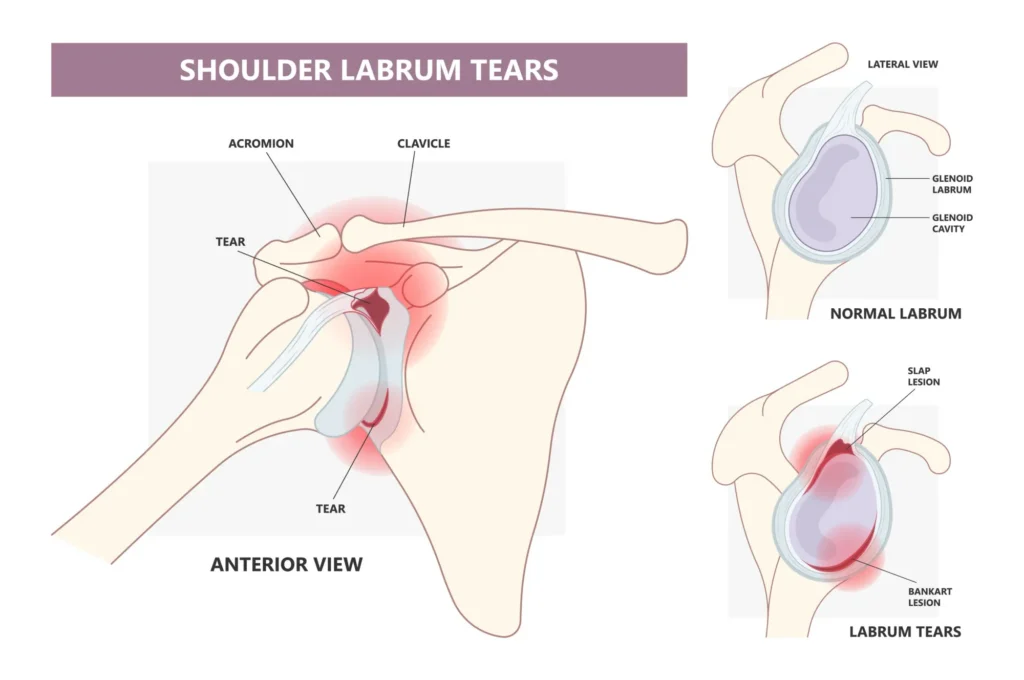
A Bankart tear is a tear of the anterior-inferior labrum, the front and lower portion of that cartilage rim. It can happen when the shoulder dislocates in a forward direction, and the humeral head forces its way out of the socket with enough force to rip the labrum away from the bone as it goes.
When the labrum detaches from the socket, the ligaments anchored to it lose their attachment point. The shoulder loses one of its key stabilizing structures. The result can be a joint that keeps slipping, catching, or giving way.
There’s also a variation worth knowing about: the bony Bankart lesion. In some cases, a small fragment of bone breaks off from the socket rim along with the labrum. This can change the treatment picture considerably. When I evaluate a patient with suspected instability, I look carefully for this possibility before we determine the best path forward.
What Causes a Bankart Tear?
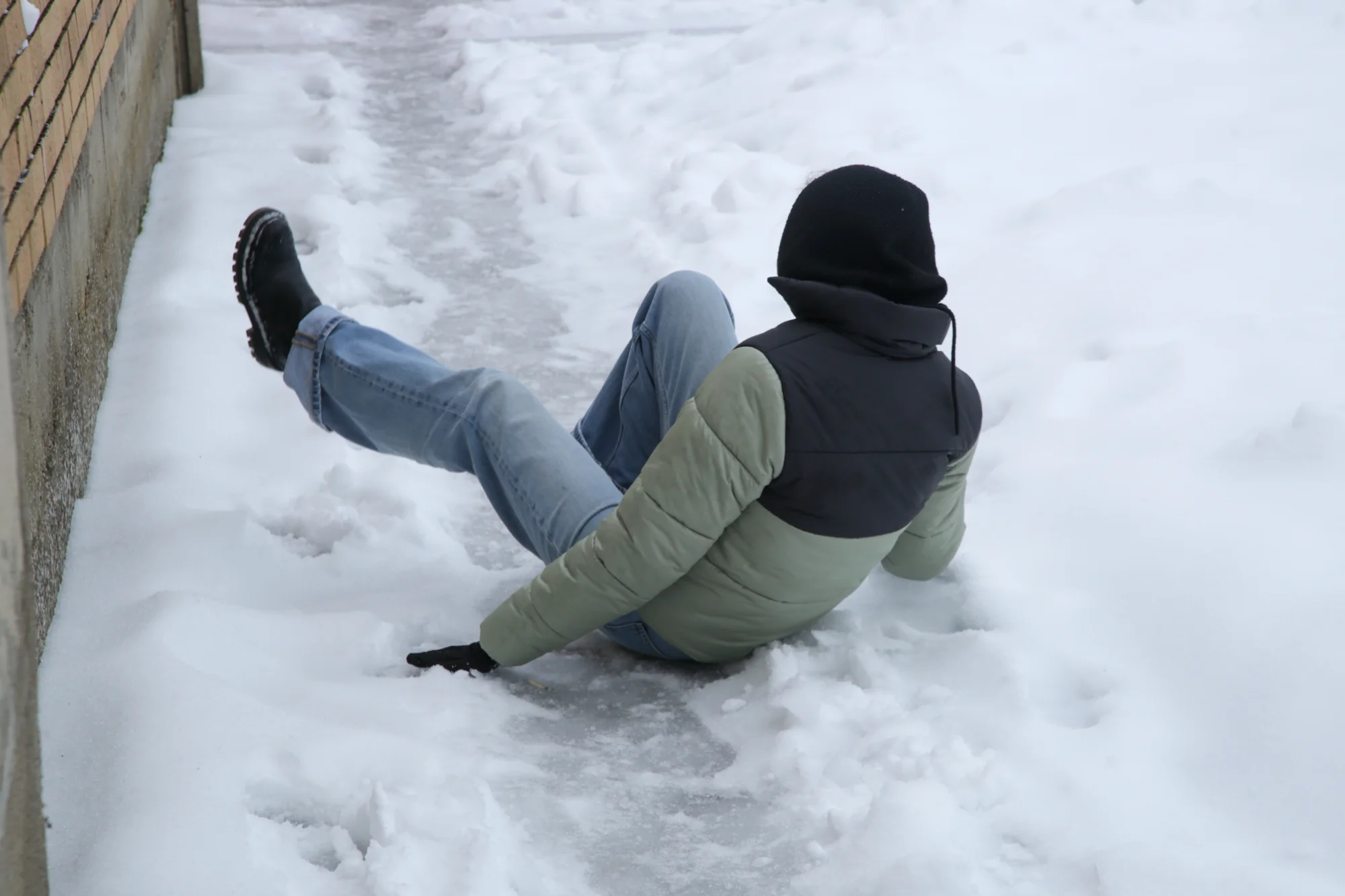
The most common cause is a traumatic anterior shoulder dislocation. Contact sports are frequent culprits. Football, hockey, rugby, and wrestling all carry risk, as players may experience direct blows to the shoulder or land on an outstretched arm. Falls, whether from a bike, a ladder, or a simple misstep, can also generate enough force to push the humeral head forward and out of the socket.
Young, active patients tend to be particularly vulnerable. When a shoulder dislocates for the first time in younger individuals, studies suggest there is an increased likelihood of associated labral injury, and the risk of recurrent dislocation may be higher without appropriate management. The labrum and ligaments, once torn or stretched, may not fully regain their original strength on their own.
That said, not every dislocation leads to a Bankart tear, and not every Bankart tear produces the same level of instability. The severity of the initial injury, the patient’s age, activity level, and tissue quality all influence how things unfold. That’s why I evaluate each patient individually before recommending any particular direction.
Symptoms to Watch For
Bankart tears don’t always make themselves known dramatically. Some patients come in after a clear dislocation event with obvious pain and instability. Others describe symptoms that have crept up gradually since what initially seemed like a minor injury.
Here are some of the most common things my patients describe:
- A sensation of the shoulder “slipping,” “popping,” or “giving way” during activity or even during everyday movements
- Pain at the front of the shoulder, often worse with overhead reaching or when the arm is raised and rotated outward
- Apprehension, a strong reluctance or fear about moving the arm into certain positions, particularly when the shoulder is raised to the side and externally rotated
Some patients also notice a general loss of confidence in the shoulder, making throwing, lifting, or reaching feel unreliable. Clicking or catching sensations may come up too, which can suggest the torn labrum is interfering with smooth joint movement.
Some patients experience these symptoms only during specific activities. Others feel discomfort at rest or have trouble sleeping comfortably on the affected side. Either way, if your shoulder has dislocated before and any of this sounds familiar, it may be worth getting a proper evaluation.
As part of my sports medicine practice, I work with patients dealing with shoulder instability at all levels, from competitive athletes to active adults just trying to stay on their feet.
How We Diagnose a Bankart Tear
Diagnosis starts with a conversation. I want to hear how the injury happened, whether you’ve had previous dislocations, which movements bother you most, and how your shoulder is affecting daily life. During the physical exam, I’ll assess your range of motion, strength, and stability.
Imaging plays an important supporting role. X-rays can identify bony involvement. An MRI, particularly an MRI arthrogram where contrast dye is injected into the joint, may provide the clearest view of the labrum and surrounding soft tissue. This helps me see where the tear is, how extensive it may be, and whether ligament damage has occurred alongside it.
Treatment Options
Conservative (Non-Surgical) Treatment
Not every Bankart tear requires surgery. For some individuals, a well-designed non-surgical plan can offer meaningful improvement.
Initial management often includes a brief period of rest and sling use to allow inflammation to settle, along with anti-inflammatory medication to help manage pain and swelling.
A good physical therapy program focuses on strengthening the rotator cuff and the muscles around the shoulder blade, building what we call dynamic stability, essentially training the muscles to compensate for the laxity caused by the labral tear.
That said, physical therapy alone does not reattach the torn labrum to the bone. It manages symptoms and improves muscular support around the joint. For younger, highly active patients or competitive athletes, conservative management may be associated with a higher risk of recurrent instability, and repeated dislocations can contribute to additional joint damage over time.
Surgical Treatment: Bankart Repair
When conservative treatment is not enough, or when a patient’s profile suggests a high likelihood of re-dislocation, surgery may offer the best long-term outcome. The most common surgical approach is an arthroscopic Bankart repair.
During this procedure, I use a few small incisions and a camera to see inside the joint. I then reattach the torn labrum to the rim of the socket using small suture anchors, essentially restoring the labrum’s original position and re-establishing its role as an anchor for the stabilizing ligaments. For patients with a significant bony Bankart lesion, where a meaningful portion of the socket rim has been lost, a more complex reconstruction may be needed, such as a procedure called the Latarjet.
Summary
A Bankart tear affects the front-bottom portion of the labrum, the cartilage that helps anchor your shoulder in its socket, and can lead to ongoing instability, pain, and a persistent sense that your shoulder just isn’t reliable. From targeted physical therapy for appropriate candidates to arthroscopic Bankart repair for those who need a more definitive solution, treatment can be tailored to your needs, goals, and lifestyle. If you’re experiencing shoulder instability, I’d encourage you to reach out and schedule an evaluation. I see patients at all stages of this injury in our Troy, Michigan location, and in my experience, the earlier we evaluate it, the more options we tend to have.
Frequently Asked Questions
Can a Bankart tear heal on its own without surgery?
While surgery is the only way to directly address the structural problem, some patients may manage their symptoms successfully through non-surgical treatments. Whether that approach is appropriate depends heavily on your age, activity level, and the degree of instability.
What happens if a Bankart tear goes untreated?
Without appropriate treatment, a Bankart tear may contribute to ongoing shoulder instability. Repeated dislocations or subluxation episodes may cause additional damage to the labrum, the cartilage surfaces, and the surrounding ligaments over time. Early evaluation helps you understand your level of risk before things progress further.
Is a Bankart tear the same as a SLAP tear?
Not quite, though both are labral injuries. A Bankart tear specifically affects the anterior-inferior (front-bottom) portion of the labrum and is closely linked to anterior shoulder dislocations. A SLAP tear involves the superior portion of the labrum near where the biceps tendon attaches, and typically results from overhead activities or compression injuries. Both can cause pain and instability, but they affect different parts of the labrum and often call for different treatment approaches.