If you’ve been living with shoulder pain and haven’t found much relief through rest, physical therapy, or anti-inflammatory medications, you may have started looking into other options. Platelet-rich plasma therapy, or PRP, has become one of the more widely discussed regenerative treatments for shoulder injuries in recent years. But how long does PRP take to work for shoulder injuries? In this post, I want to give you a realistic picture of what the healing timeline typically looks like and how you can set yourself up for the best possible outcome.
Key Takeaways
- PRP is a regenerative medicine treatment. It works with your body’s natural healing process, which means results tend to develop gradually over weeks and months rather than right away.
- Many patients begin noticing early improvements around three to six weeks after their injection.
- Peak results may develop between three and six months following the procedure, though the timeline can vary based on the type of injury, overall health, and how closely you follow your recovery plan.
- Avoiding NSAIDs, following a physical therapy program, and allowing adequate rest may all support your recovery and potentially influence how quickly PRP takes effect.
What Is PRP, and How Does It Work?
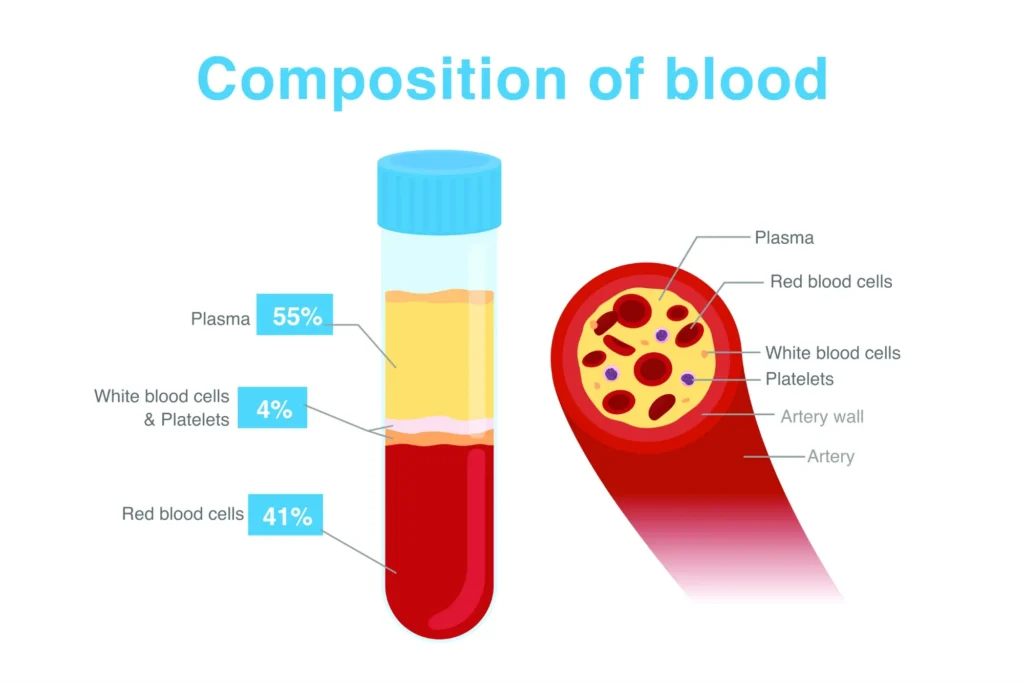
Before diving into the timeline, it helps to understand what PRP actually does inside your body. Platelet-rich plasma is made from your own blood. A small sample is drawn from your arm, processed in a centrifuge to concentrate the platelets, and then injected directly into the injured area of your shoulder.
Platelets do much more than help your blood clot. They carry hundreds of proteins called growth factors, and these growth factors may play a role in tissue repair. When PRP is injected into a damaged tendon, ligament, or joint, it may trigger a cascade of biological activity. This may include attracting repair cells to the area, stimulating the production of new collagen, and encouraging the formation of new blood vessels in regions that typically have poor circulation.
The shoulder, and in particular the rotator cuff tendons, includes areas that may have relatively limited blood supply. This is part of why shoulder injuries can be so stubborn to heal on their own. PRP therapy may help address this challenge by delivering a concentrated dose of healing proteins directly to the site of injury, potentially creating a more favorable environment for tissue repair.
Why PRP Takes Time and The Biology Behind It
Here is something I always make a point of explaining to my patients: PRP does not numb pain. It doesn’t work like a corticosteroid injection, which can reduce inflammation relatively quickly. Instead, PRP initiates a biological process. Biology, by nature, takes time.
After your injection, the growth factors in the PRP begin working on a cellular level fairly soon. But the actual tissue repair, including the rebuilding of collagen fibers, the formation of new blood vessels, and the gradual restoration of tendon structure, typically unfolds over weeks and months. For most patients, the most noticeable improvements tend to occur not in the first few weeks, but somewhere between three and six months after the procedure.
During the early weeks, it’s also common to feel worse before you feel better. Many patients experience increased soreness at the injection site for several days following the procedure. This is expected and generally reflects the inflammatory phase that PRP intentionally activates.
Think of it this way: PRP doesn’t bypass your body’s healing system. It works through it. The growth factors essentially send signals to your cells, telling them to ramp up the repair process. Your body then carries out that repair on its own timeline.
The General Timeline: What Most Patients Can Expect
While every patient’s recovery is somewhat unique, there is a general pattern that tends to emerge after a PRP injection for a shoulder injury. Here is a rough idea of what some patients may experience.
Weeks 1–2: The Initial Response
The first week or two after your injection may feel uncomfortable. Soreness and aching around the shoulder are common. Some patients describe this period as feeling similar to a mild flare-up of their original injury. Your doctor will likely advise you to avoid strenuous activity and to steer clear of non-steroidal anti-inflammatory drugs (NSAIDs), such as ibuprofen or naproxen. These medications may interfere with the inflammatory process that PRP is designed to support. Gentle movement and rest are generally the priorities during this window.
Weeks 3–6: Early Signs of Change
For many patients, the initial soreness begins to ease during this period. Some may start noticing subtle improvements. It’s worth noting, though, that not everyone experiences significant changes this early. Patience is important here. The healing process is continuing even if the improvements feel modest at this stage.
Months 2–3: Progress Becomes More Noticeable
By the two- to three-month mark, many patients begin experiencing more meaningful improvements in pain levels and shoulder function. Physical therapy, if it has been incorporated into your recovery plan, can play an important role during this phase. Rebuilding strength and mobility in the shoulder may help you build on the tissue repair that PRP has been supporting.
Months 3–6: Peak Results and Continued Progress
For most patients, the greatest improvements tend to occur in the three-to-six-month range. Tissue repair and collagen remodeling continue well into this period. Many patients report that their shoulder feels noticeably better, with improved strength, reduced pain, and a greater ability to return to the activities they enjoy. It is worth mentioning that some patients may continue to notice gradual improvements even beyond six months. Everyone heals at a different pace, and that’s completely normal.
Factors That May Influence How Long PRP Takes to Work
Several variables can affect how quickly, and how fully, a patient responds to PRP therapy. Understanding these factors may help set more realistic expectations going into treatment.
The nature and severity of your injury. Not all shoulder injuries respond equally to PRP. In general, partial-thickness rotator cuff tears and tendinopathy tend to show more favorable responses than large, full-thickness tears. More extensive injuries naturally take longer to heal, and chronic injuries that have been present for a long time may respond more gradually than more recent ones.
Your overall health and biology. PRP works through your own body’s healing response. As a result, your general health matters. Factors like age, nutritional status, and the presence of conditions such as diabetes may influence how effectively your body responds. Patients who are in good overall health may sometimes notice results more quickly, though individual results vary.
Lifestyle choices during recovery. What you do after your injection can meaningfully affect your results. Avoiding NSAIDs, following your physical therapy program, getting adequate sleep, eating a nutrient-rich diet, and staying well-hydrated may all support the healing process. On the other hand, smoking, excessive alcohol use, and returning to high-demand activity too soon could potentially slow things down.
The number of injections in your treatment plan. Some patients receive a single PRP injection and respond well. Others may benefit from a series of two or three injections spaced several weeks apart. If your response to the first injection is modest, your doctor may discuss whether additional treatments could be appropriate. The overall timeline will naturally extend if multiple injections become part of your plan.
Which Shoulder Conditions May Respond Well to PRP?
PRP therapy for shoulder injuries is most commonly considered for conditions involving tendon damage, chronic inflammation, or early degenerative joint changes. Some of the shoulder conditions for which PRP may be considered as part of a treatment plan include:
- Rotator cuff tendinopathy and partial-thickness rotator cuff tears
- Biceps tendon injuries and tendinopathy
- Minor or partial labral tears in select cases
- Early-stage glenohumeral (shoulder joint) osteoarthritis
A thorough evaluation with an experienced shoulder specialist is important before deciding on PRP. It is not an appropriate treatment for every type of shoulder injury. The right plan will always depend on the specific nature and extent of your condition.
How to Support Your Recovery After PRP
One of the most important things I share with my patients is this: PRP is a tool to support healing, not a passive solution. To get the most from your treatment, you actively participate in your own recovery. Here are some general recommendations that may help:
- Follow your post-injection care instructions carefully and avoid NSAIDs as directed by your doctor.
- Engage in a structured physical therapy program once your doctor clears you to do so.
- Prioritize quality sleep. Your body does a significant amount of its repair work while you rest.
- Eat a nutrient-dense diet. Adequate protein, in particular, may help support collagen production and tissue rebuilding.
- Stay well-hydrated to support overall cellular function.
- Avoid activities that place significant stress on the shoulder during the early healing phases, and gradually return to activity based on your doctor’s guidance.
Summary
So, how long does PRP take to work for shoulder injuries? For most patients, subtle early improvements may begin to appear somewhere around three to six weeks following the injection. More meaningful progress often develops in the two-to-three-month range, with peak results typically occurring between three and six months. The timeline can vary based on the severity of your injury, your overall health, and how closely you follow your recovery plan. Some patients may also continue to see gradual improvements well beyond the six-month mark. PRP is a regenerative approach that works alongside your body, and that means giving the process the time and support it needs. If you have questions about whether PRP may be right for your shoulder injury, I encourage you to schedule a consultation to discuss your individual situation and explore whether this treatment may be a good fit for you.
Frequently Asked Questions
Can I return to work or exercise after a PRP injection for my shoulder?
For most patients, light daily activities and sedentary or desk-based work can resume fairly quickly, often within a day or two of the procedure. However, strenuous exercise, overhead lifting, or any activity that places significant demand on the shoulder is generally not recommended in the early weeks. Your doctor will provide personalized guidance on when it may be appropriate to gradually increase your activity level.
What if PRP doesn’t seem to be working for my shoulder injury?
PRP may not produce meaningful results for every patient or every type of shoulder injury. If you have completed your treatment protocol and are not experiencing noticeable improvement, your shoulder specialist may recommend exploring other options. These could include additional conservative therapies, a repeat PRP course, or in some cases, a surgical evaluation. The goal is always to find the most appropriate and effective solution for your specific condition.
How many PRP injections might I need for a shoulder injury?
This will depend on the type and severity of your injury, as well as your body’s response to the initial treatment. Some patients may see satisfactory results after a single injection, while others may benefit from a series of two or three injections spaced several weeks apart. Your doctor will help determine the most appropriate protocol based on your diagnosis and how you respond over time.